I’ve been on the roofs of Cape Town for 12 years. I’ve seen it all: from the salt-sprayed LNBs after a gale-force winter storm to the “handyman” installations that look like a spaghetti factory exploded behind your TV. People constantly call me saying, “The decoder is broken,” only for me to find a loose F-connector or a cable chewed satellite dish relocation by a garden rat.
Before you ever book a callout with a company like Sat Digital, stop and look at your screen. Go into the menu, find the signal strength and quality bars. What do they read? If you can’t tell me those numbers, you’re flying blind. Real optimization isn't just plugging it in; it’s a precise technical process.
The Truth About Decoder Setup and Testing
When we perform a MultiChoice-accredited DStv installation, we aren’t just bolting a dish to a wall. Optimization is about ensuring the signal chain from the satellite to your decoder is clean, stable, and interference-free. If your signal quality isn't at 100%, you’re going to be the one calling me during the next storm when your picture turns into a pixelated nightmare.
Here is what the optimization process actually involves:
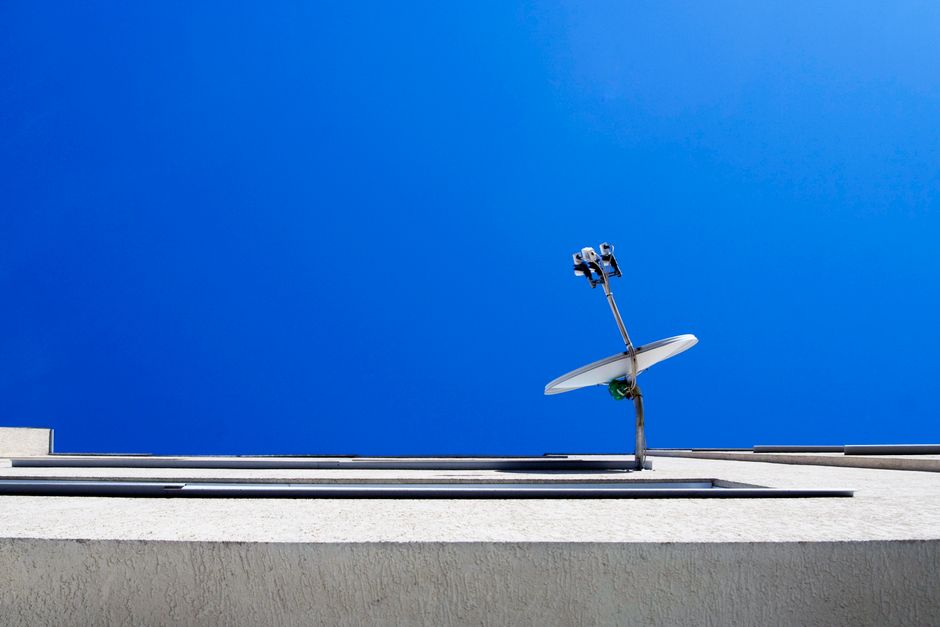
- Dish alignment and signal level setting: Using accurate diagnostic tools to ensure the dish is peaked perfectly to the satellite, not just "near enough." LNB Skew Adjustment: This is the most skipped step by amateurs. Adjusting the tilt of the LNB based on your specific location in Cape Town is critical for signal quality. Cable Integrity Check: Ensuring we use high-quality, UV-protected RG6 cabling. If the cable is old or degraded, your signal will drop regardless of how good the dish alignment is. Firmware and Software Verification: Ensuring your DStv Explora or Ultra decoder is running the latest software pushed by MultiChoice.
Why "Instant Fixes" Are Often Myths
I hate it when installers promise an "instant fix" during a Cape Town downpour. If the clouds are thick enough, physics wins. However, a properly installed system should remain stable in moderate weather. If you are losing signal every time it drizzles, your setup is not optimized—it’s failing.
Optimizing an ExtraView multi-room connection is even more complex. It requires ensuring the heartbeat cable signal strength is balanced across all decoders. If the signal is too high or too low, the decoders will "lose" each other, and you'll get an E143 error. That isn’t a broken decoder; that’s a poorly optimized signal distribution.
Standard Pricing Guide
I don't believe in "fluff" pricing. You should know what you are paying for before the ladder even comes off the bakkie. While costs vary based on cabling distance and hardware requirements, here is the industry benchmark for standard work:
Service Type Estimated Price Range Standard DStv Installation (Single-View) R599 – R1,000 Explora/Ultra Setup (Including Smart LNB) R1,200 – R1,800 ExtraView Multi-room Connection R1,500 – R2,500 Fault Finding and Signal Re-alignment R450 – R750The Technical Checklist for a Perfect Installation
When an installer finishes your decoder setup and testing, they should be able to show you these metrics:
Final Advice Before Calling for Repairs
Before you spend money on same-day repairs and troubleshooting, do these three things:
- Check your F-connectors. Are they tight? Are the copper cores clean? Check the cable for physical damage (sun rot, cuts, or sharp bends). Power cycle the decoder. Unplug it for 60 seconds, then plug it back in.
If you’ve done that and the signal bars are still erratic, call a professional. But when you call, don't just say it's broken. Tell the technician the signal strength and quality readings. It saves us time, and it saves you money on unnecessary callout fees.
Remember: A good installer is invisible. If you don't have to think about your TV signal, we did our job right.