Most streaming apps suffer from the same fatal flaw: they focus on content volume rather than the user journey. You might have the deepest library of films or the most popular live creators, but if your navigation is a labyrinth and your checkout flow forces a user to jump through five hoops, that library is worthless. The difference between a platform that users pay for monthly and one they churn from after the trial is in the analytics you track—and, more importantly, how you iterate based on them.
As streaming shifts from a passive "lean back" experience to an interactive, mobile-first ecosystem, the data you collect must reflect those new habits. If you are still only tracking “time spent,” you are missing the forest for the trees.
The Mobile-First Shift: Beyond Passive Consumption
According to data from Statista, mobile internet consumption now accounts for a massive share of total digital media time. This isn’t just about users watching Netflix or Twitch on a train; it’s about the shift in expectation. Users now demand instant access. When they open your app, they don’t want to see a splash screen https://technivorz.com/why-do-push-notifications-pull-me-back-into-apps-and-how-theyre-engineered-to-do-it/ or a list of "trending" titles they have no interest in. They want to pick up exactly where they left off.
When auditing mobile streaming apps, I often look for the "Three-Tap Rule." Can the user get from the app icon to the first frame of their content in three taps? If the answer is no, your mobile-first strategy is failing. Use your analytics to track the "path to play." Where do users drop off? Is it the sign-in screen? Is it the search bar? If your analytics show a 40% exit rate during the initial loading state, you don't need a content strategy—you need an engineering audit.
Key Metrics for Mobile Performance
- Time-to-First-Frame (TTFF): The interval between app launch and video playback. Navigation Depth: How many screens a user traverses before committing to a title. Interruption Rate: How often mobile users switch to another app during your initial load.
Mapping User Journeys: What Does the User Do Next?
The most dangerous question in product management is, "What should we add?" The better question is, "What should the user do next, and why are they stopping?"
Stop thinking about your app as a static library. Think of it as a journey. If a user finishes an episode of a show on your platform, your analytics should track their immediate behavior. Do they click "Next Episode," or do they navigate back to the home screen? If they leave, your recommendation engine (powered by your machine learning models) is failing to predict their next interest. If they stay, you have an opportunity to optimize the transition time.
Consider the "Discord Model." Discord doesn't just hold servers; it facilitates ongoing communication loops. If you run a live-streaming app, you should be looking at how users interact with the chat or the "notify me" buttons. If your data shows users clicking the "remind me" feature but never returning for the live event, you have a friction point in your notification UX, not a content issue.
AI and Machine Learning: Moving Past the Hype
I am tired of companies saying they use "AI-driven insights" without a concrete use case. Let’s be clear: adding a generative AI chatbot to your support page is not a streaming strategy. Using machine learning to optimize the playback bitrate for a specific user's fluctuating 5G connection? That is a real, high-impact use case.

Your analytics should feed your machine learning models to solve these specific problems:
Use Case Data Input Resulting Action Personalized Thumbnails Genre affinity + Click-through rates Dynamic artwork tailored to individual taste. Churn Prediction Usage cadence + Payment failures Automated retention offers before the next bill. Smart Buffering Device capability + Network throughput Invisible quality adjustment to prevent exits.If you aren't using ML to reduce churn by identifying users who have stopped watching but haven't cancelled yet, you are leaving money on the table. Watch for the signs: declining login frequency, skipped "Continue Watching" items, and infrequent interaction with new releases.
Gaming Loops: The Secret Sauce of Retention
Look at Twitch. Why do people spend hours there? It’s not just the video. It’s the "gaming loop"—the rewards, the achievements, the live social interaction, and the sense of progression. When you integrate gamification, you move the user from a passive viewer to a participant.
Use your analytics to track "participation triggers." If you introduce a limited-time badge for watching a live event, track how many users click that badge. Does it lead to higher retention in the following week? If your data shows a spike in activity but a massive drop-off immediately after the reward is earned, you’ve built a loop that incentivizes the wrong behavior.
Designing Loops that Retain
Entry: Push notifications timed to user-preferred habits. Action: Low-friction, one-tap entry into the stream. Reward: Acknowledgment of presence (chat badges, status indicators, or "pro" status). Investment: Encouraging the user to build a library or follow creators, increasing their "switching cost."Feature Iteration: Killing the "Zombie" Features
Every developer wants to build a new feature. Every product manager wants to ship it. But few are brave enough to kill a feature that is underperforming. If your "Watch Party" feature has a 2% monthly usage rate, it is not a feature—it is technical debt that clutters your UI and slows down navigation.
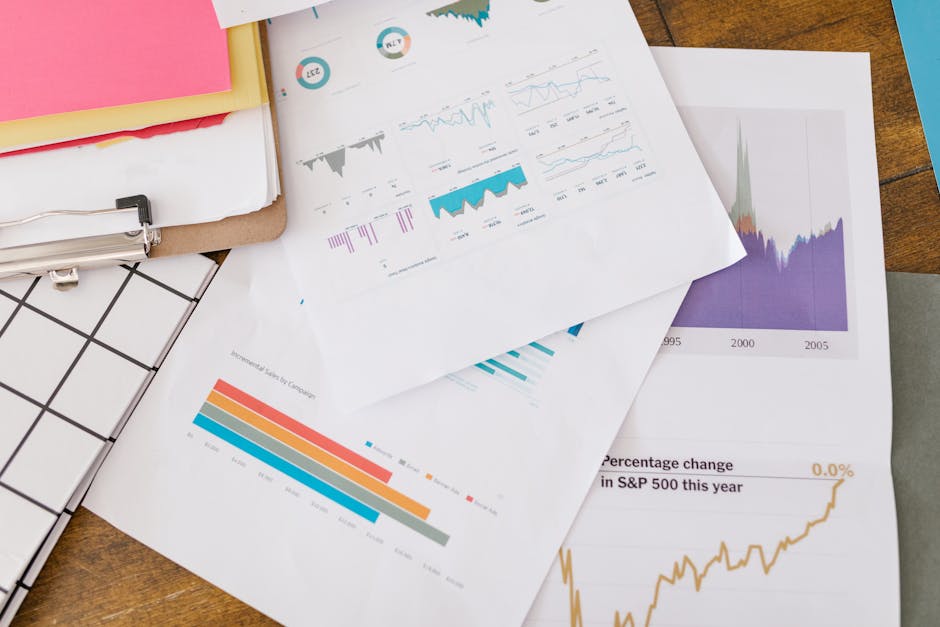
Use "Content Performance" analytics to audit your feature set quarterly. Compare the cost of maintaining a feature against the ROI of the users who actually use it. If the feature is high-cost and low-impact, remove it. A cleaner, faster app is almost always better than an app with ten half-baked features.
When you iterate, run A/B tests on your user journeys. Don't change your entire navigation bar based on a gut feeling. Change the icon color, the placement of the search bar, or the duration of the "Autoplay" countdown. Observe the data. If the metric moves in your favor, keep it. If it doesn't, revert it immediately.
Conclusion: The User Journey Never Ends
Your streaming app is not a destination; it is a cycle. To improve your product, you must be obsessed with the friction that occurs between every single user action. Stop looking at vanity metrics like https://dibz.me/blog/beyond-the-cookie-how-platforms-measure-engagement-without-sacrificing-user-privacy-1167 total downloads. Start looking at the conversion funnel: What does the user do next?
By using analytics to identify exactly where your journey breaks down, you can stop guessing and start building a platform that feels like it was designed for human behavior, rather than for a marketing slide deck. If your app is clunky, slow, or fails to respect the user's time, no amount of AI-driven recommendation logic will save you. Strip away the fluff, focus on the path, and prioritize the experience. That is how you win in a crowded market.